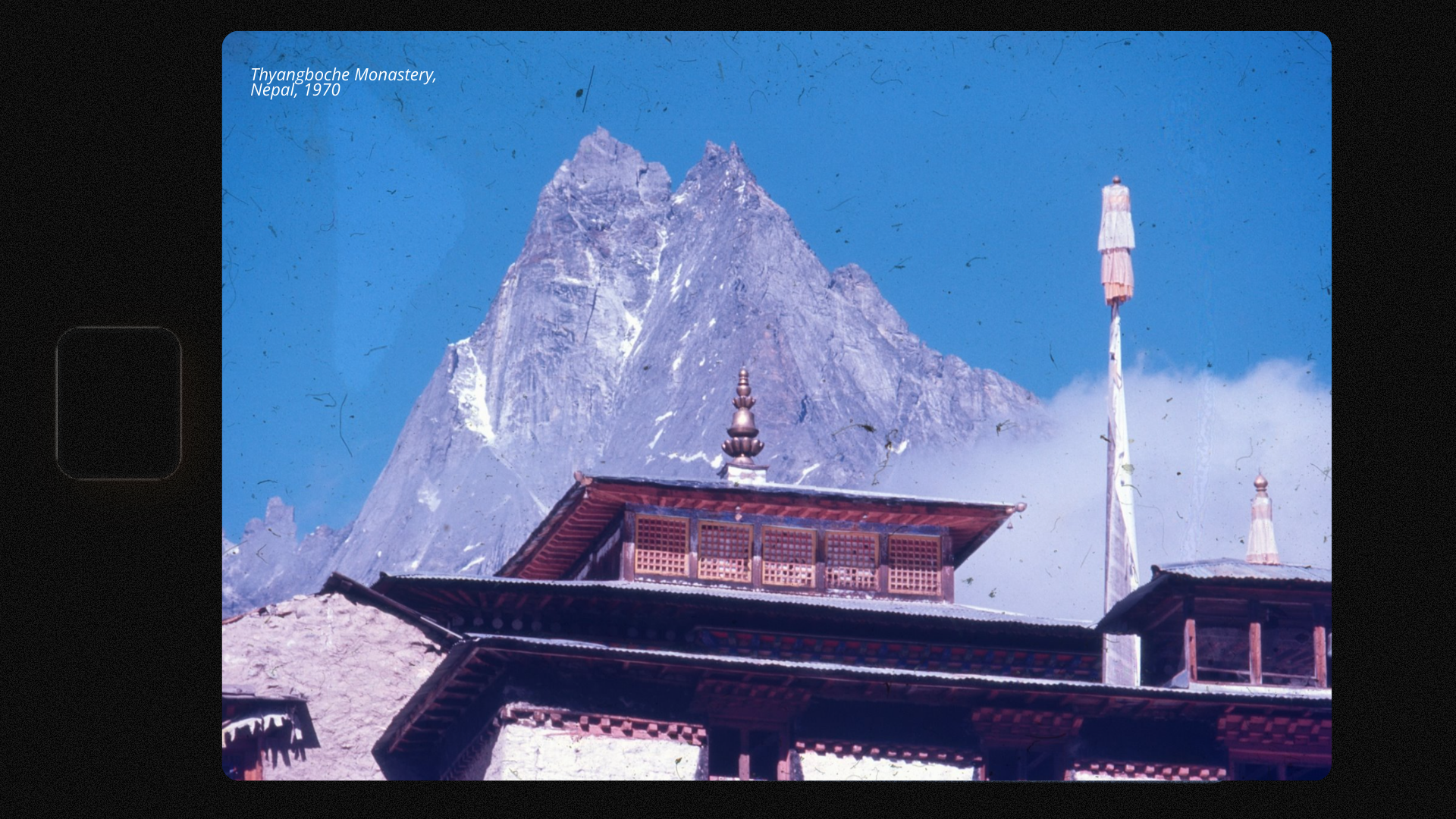
In 1970, Sir Graeme Dingle set out on an extraordinary overland journey that would eventually take him to Nepal, where he joined Sir Edmund Hillary for an expedition in the Khumbu region near Mount Everest.
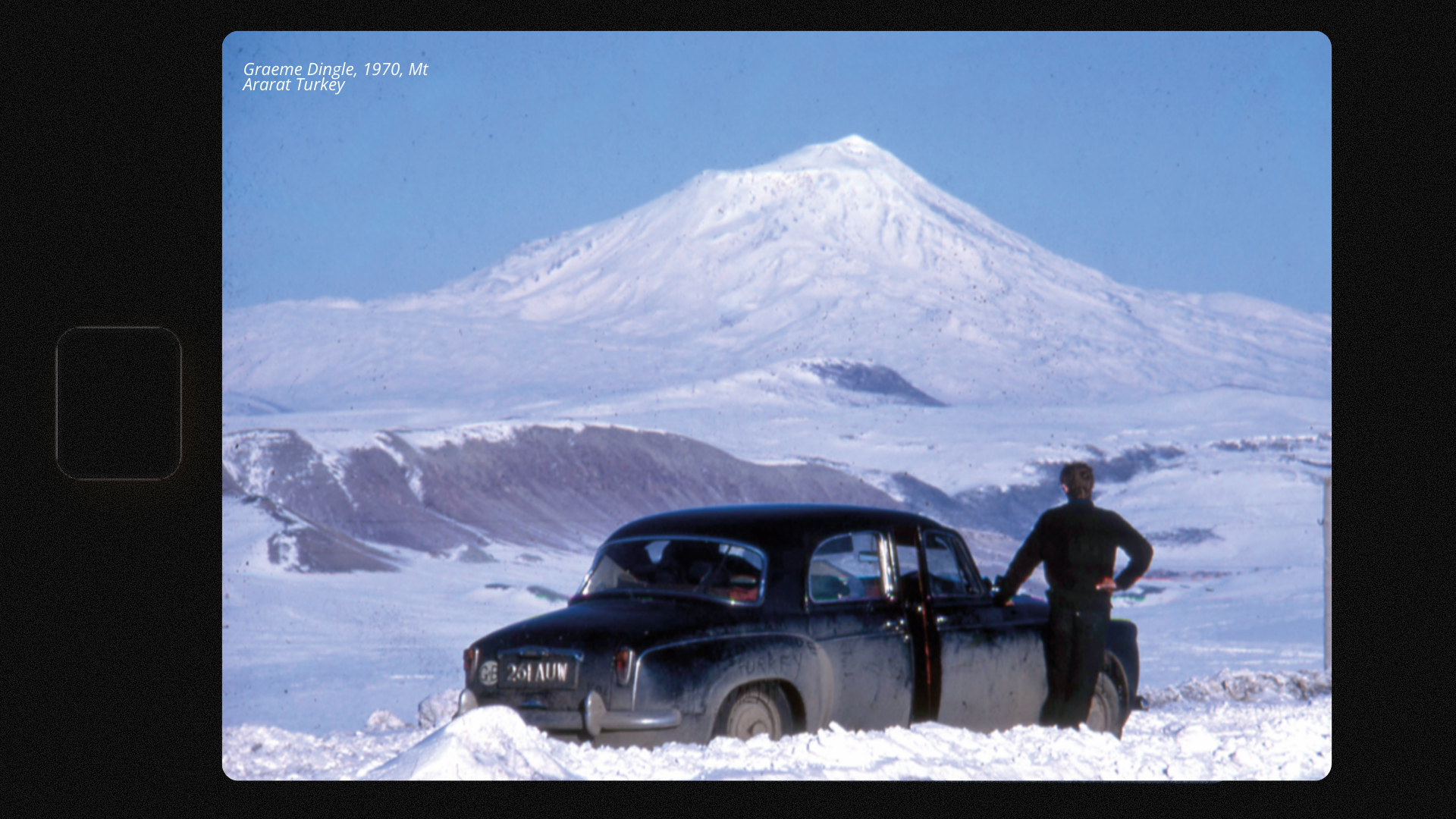
The adventure began in London alongside talented young climber Keith Nannery. Travelling in a borrowed black Rover, generously provided by Keith’s parents, the pair drove across Europe and into Asia, passing through Turkey, Iran and Afghanistan on their way to Kabul.
Along the way, the journey took a dramatic turn when the Rover was stolen. Undeterred, Graeme and Keith followed tyre tracks through the snow and eventually recovered the vehicle, completely ransacked but still drivable.
From Kabul, Graeme continued overland through Pakistan before finally reaching Kathmandu to meet Hillary, who nicknamed him “Dinglehoffer.”
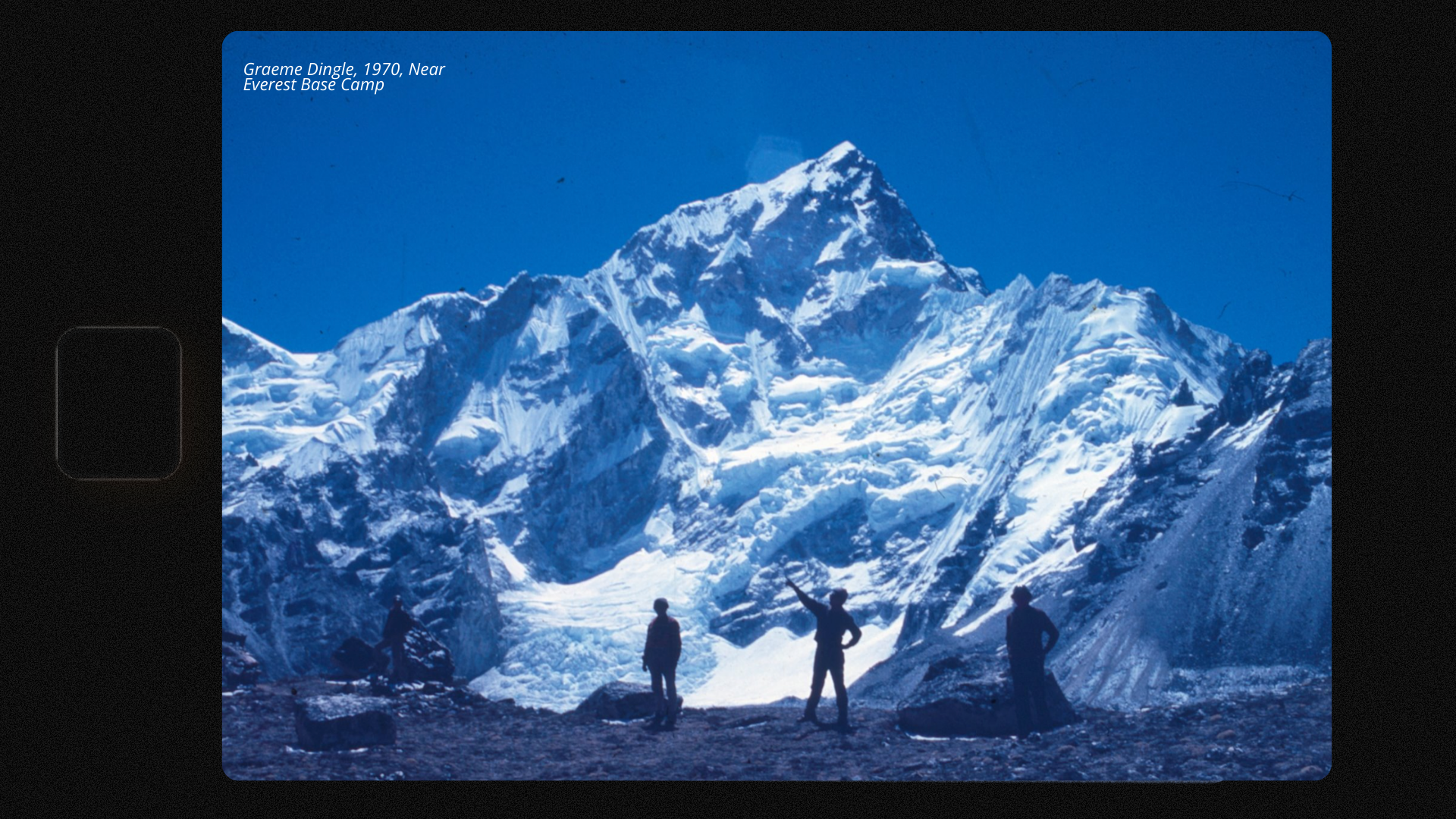
The expedition was about far more than climbing. Graeme was selected as the ‘guinea pig’ for a scientific study exploring how people born at sea level adapted to extreme altitude compared with Sherpa climbers raised at around 4,000 metres. Long days were spent repeatedly climbing the hill behind the hospital while breathing into collection bags so researchers could analyse respiratory gases.
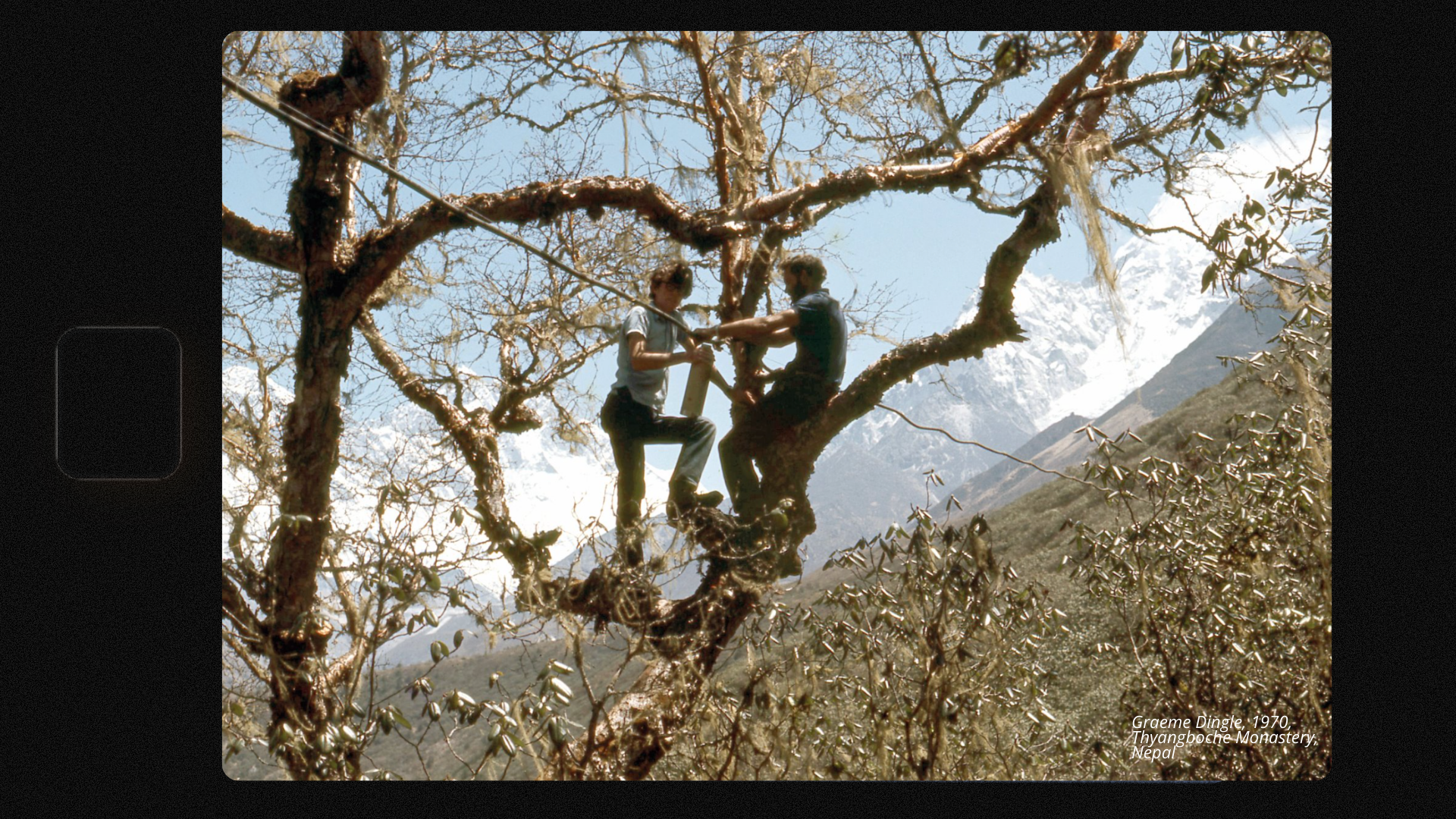
Originally, the goal had been to climb Mount Karyolung, but permission was denied by the Nepalese government. Instead, Graeme spent three months contributing to Hillary’s Himalayan Trust projects, helping build bridges and schools while continuing the altitude research.
The experience, shaped by Hillary’s leadership, deepened Graeme’s understanding of service, resilience, and how challenge can be used to help others, values that would later underpin the programmes of the Graeme Dingle Foundation.