
Community Projects are a core part of the Graeme Dingle Foundation programmes. They are designed to move learning beyond the classroom and into real-world action, giving tamariki and rangatahi the opportunity to contribute meaningfully to the communities they belong to.
Across the country, Community Projects are shaped by local needs. While the kaupapa remains consistent, the mahi reflects the realities of each region. Projects have included painting murals in public and school spaces, landscaping parks and playgrounds, tree planting and environmental restoration, playground creation and refurbishment, and sustainability-focused activities and community events.
These experiences allow young people to apply leadership skills, work collaboratively, develop empathy and social awareness, and strengthen their connection to the community. Rather than positioning young people as recipients of support, Community Projects positions them as part of the solution.
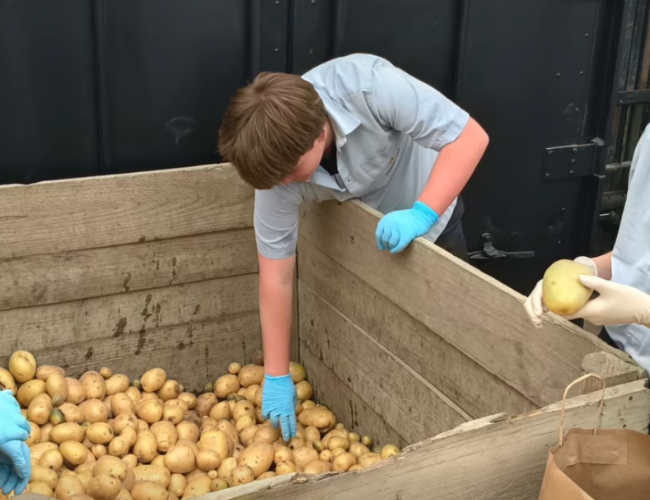
In Canterbury, Project K students from Hornby High School supported the Hoon Hay Foodbank, with the decision to partner driven by a clear and pressing local need.
Like many communities across Aotearoa, Canterbury has experienced increased demand for community support services, and the foodbank continues to see growing need. Through their Community Project, our rangatahi were able to contribute in a way that was practical, relevant and genuinely helpful.
During the day, students packed bags of potatoes, assembled food parcels and stocked shelves. What began as a volunteering task quickly became something more meaningful.
Many were surprised to learn how many working families rely on this kind of support. What struck them most was how close to home it all felt. The number of people accessing assistance, the speed at which supplies moved through the system, and the care taken to prepare each parcel with dignity left a lasting impression.
Students left with a strong sense of pride, knowing their efforts directly supported local whānau, and recognising that they are capable of making a positive difference in their own community.
Across our other regions, Community Projects in 2025 were similarly shaped by the specific needs of each area.
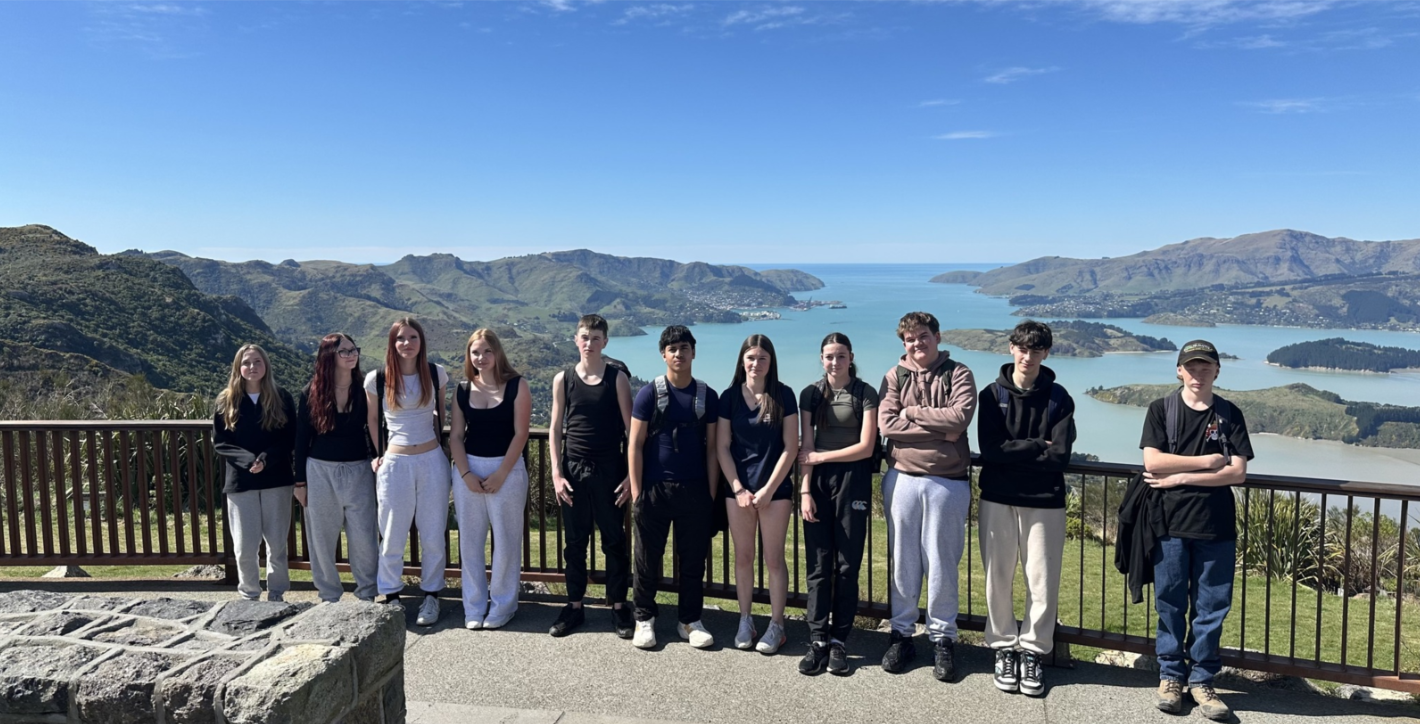
In the Western Bay of Plenty, as part of the Project K Community Challenge, rangatahi took part in a two-day initiative at Redwood Valley Farm, clearing bush paths to help maintain safe and accessible community spaces. They also supported a local Women’s Refuge by assisting with cleaning and upkeep, contributing to safe environments for women and whānau in need.
Alongside the practical mahi, students gained insight into the important role community organisations play in providing care and protection, reinforcing the value of empathy, service and collective action.
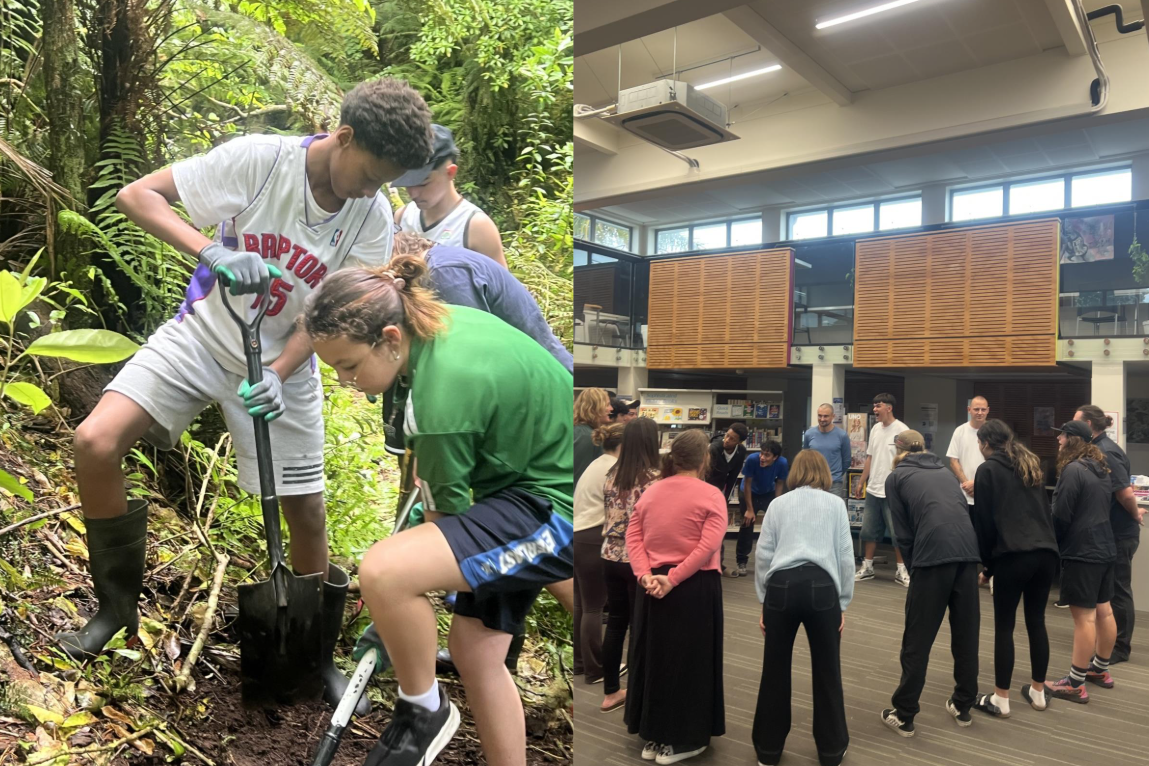
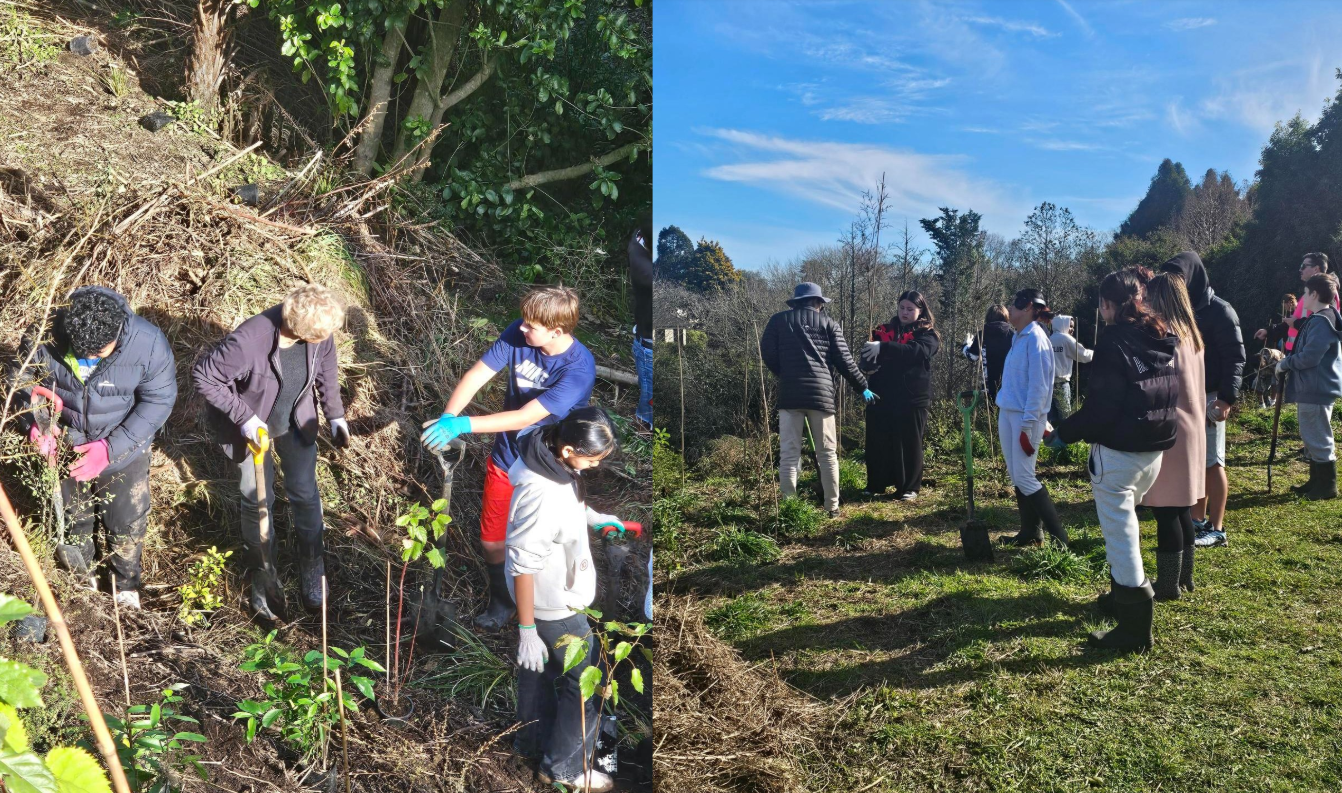
In Waikato, Fairfield College Project K students worked together to support the restoration of Kukutaaruhe Gully. The project was chosen because restoring the gully will help native birds, insects and plants to thrive, while also providing green spaces for the community to relax and enjoy. By restoring more nature for people to connect with, students were contributing to something that benefits both the environment and the wellbeing of their wider community.
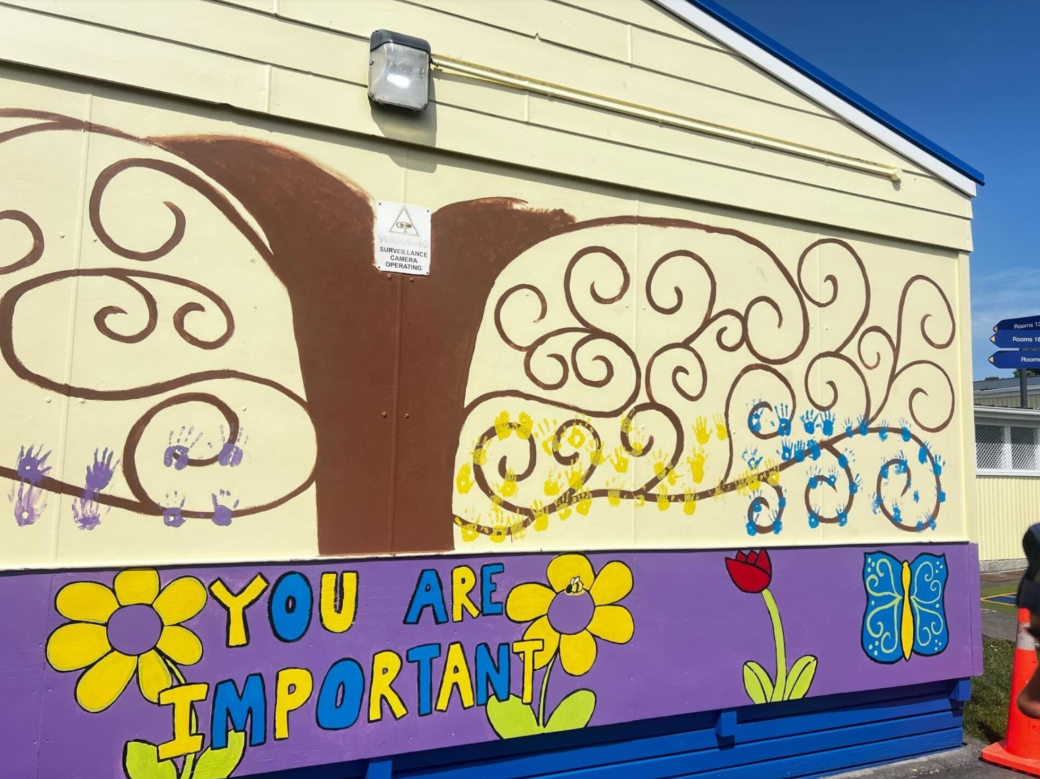
In Auckland, Kiwi Can students at Clendon Park School painted a mural to brighten their school environment. The project brought younger students together with a shared goal, encouraging teamwork, collaboration and creativity. The finished mural now serves as a daily reminder that they belong, that they matter, and that they can contribute positively to their community.
Through each of these projects, young people are given more than a task, they are given trust, responsibility and the opportunity to lead in action. And in doing so, they strengthen not only their communities, but their own confidence and sense of purpose.